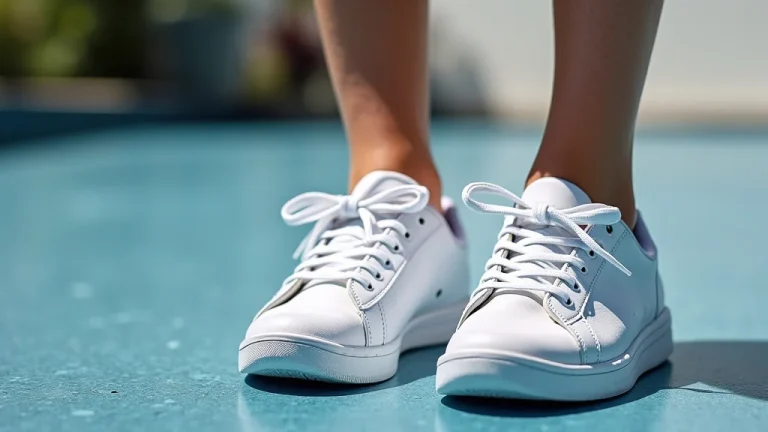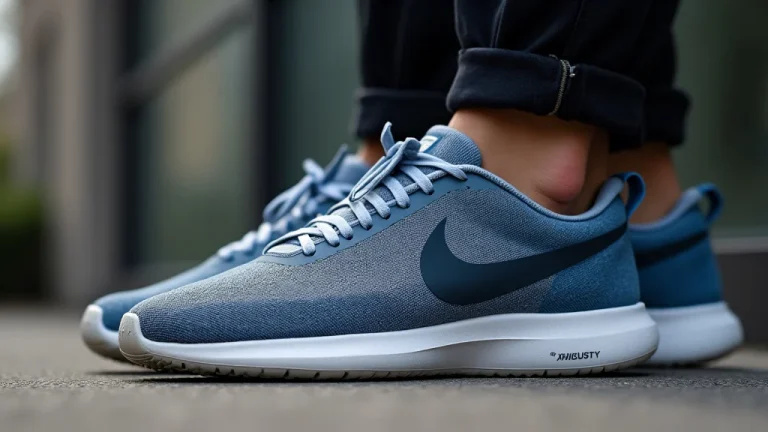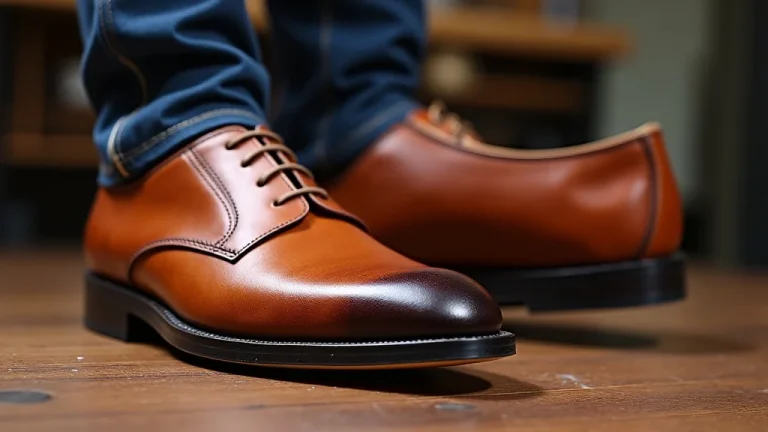
Finding the right shoes for active boys can be a challenge. You want them to be comfortable for running and playing, durable enough to withstand rough adventures, and stylish enough to make them feel good. This guide helps you pick the perfect pair of shoes kids boys will love to wear every day. We’ll cover key features to look for and offer tips for making smart choices.
Key Takeaways
- Understand the importance of proper fit and support for growing feet.
- Learn about different shoe types suitable for various activities.
- Discover materials that offer durability and breathability.
- Get tips on how to involve your child in the shoe selection process.
- Recognize signs that indicate a shoe is no longer a good fit.
Finding the Perfect Fit For Boys Shoes
Getting the right fit is the most important step when buying shoes for kids. Boys’ feet grow quickly, so it’s easy for them to outgrow their shoes before they even show signs of wear. An ill-fitting shoe can cause discomfort, blisters, and even long-term foot problems. Proper fit means there’s enough room for toes to wiggle without being cramped.
When measuring, always check the length and width. The shoe should be about a thumb’s width longer than the longest toe. The width should allow for a comfortable feel without pinching. Many shoe stores offer professional fitting services, which can be very helpful. Don’t rely solely on the size number, as sizes can vary between brands.
There are several things to check for a good fit. The heel should not slip out when the child walks. The widest part of the foot should align with the widest part of the shoe. The shoe should also have good arch support, especially for children who are very active.
Here are some practical tips for checking the fit at home:
- Have your child stand in the shoes.
- Press down gently on the front of the shoe to feel for toe space.
- Check that the heel counter (the back of the shoe) doesn’t rub.
- Ensure the shoe bends where the foot naturally bends.
Properly fitted shoes promote healthy foot development. This is crucial during childhood when bones and muscles are still growing. When you prioritize fit, you ensure your child can move freely and comfortably in their shoes, supporting their active lifestyle.
Types of Shoes Kids Boys Need
Boys engage in a wide variety of activities, from playing sports to casual outings. Having the right type of shoe for each activity ensures comfort, safety, and performance. Understanding the different categories of shoes available will help you make informed purchasing decisions for your child’s footwear needs.
Athletic Shoes
Athletic shoes are designed for sports and active play. They offer good support, cushioning, and traction. Running shoes, for example, are lightweight with good shock absorption. Basketball shoes often have ankle support to prevent sprains. Cleats are essential for outdoor sports like soccer and football.
These shoes often feature breathable mesh materials to keep feet cool. The soles are designed to provide grip on various surfaces. Many athletic shoes also have reinforced toe caps for added durability during play. Look for shoes that match the specific sport or activity your child enjoys most.
Consider the construction of athletic shoes. The midsole is key for cushioning, while the outsole provides traction. Brands often use advanced technologies in their athletic footwear to enhance performance and comfort for young athletes.
Casual Shoes
Casual shoes are perfect for everyday wear, school, and social events. This category includes sneakers, slip-ons, and loafers. They prioritize comfort and style. Many casual shoes for boys are easy to put on and take off, which is a plus for busy mornings.
Canvas sneakers are a popular choice for their breathability and casual look. Slip-on styles are convenient for younger children. Loafers can offer a slightly more dressed-up look while still being comfortable for everyday wear.
Durability is still important for casual shoes, even if they aren’t used for intense sports. Look for sturdy stitching and well-made soles. The materials should be comfortable against the skin and allow for some flexibility in movement.
Outdoor and Adventure Shoes
For boys who love exploring the outdoors, specialized shoes are a great investment. This includes hiking boots, water shoes, and sturdy sneakers designed for rugged terrain. These shoes offer protection and support for various outdoor conditions.
Hiking boots provide ankle support and have deep treads for grip on uneven surfaces. Water shoes are great for beach trips or water play, offering protection from sharp objects and good traction in wet environments. Durable sneakers with reinforced soles can handle trails and general outdoor adventures.
These shoes often feature water-resistant or waterproof materials to keep feet dry. They also have enhanced cushioning for long periods of walking or standing. The construction aims to protect feet from stubbing and provide stability on challenging ground.
Dress Shoes
While not for daily wear, dress shoes are necessary for special occasions like parties, ceremonies, or family gatherings. These shoes tend to be more formal, such as oxfords or simple leather shoes. They can add a polished touch to an outfit.
When choosing dress shoes for boys, comfort is still a consideration. They should fit well and not be too stiff. Leather or faux leather are common materials. It’s important that these shoes are not worn for extended periods of vigorous activity to maintain their appearance and comfort.
Many dress shoes for boys have a rubber sole for better grip and durability compared to older styles. The inside should have some padding for a more pleasant feel.
Here are some examples of shoes and when they are best used:
- Running Shoes: For track, gym class, or general active play.
- Basketball Shoes: For playing basketball, providing ankle support.
- Water Shoes: For the beach, swimming, or splash pad fun.
- Hiking Boots: For trails, camping, and rough outdoor exploration.
- Casual Sneakers: For school, playground, and everyday comfort.
- Dress Loafers: For holidays, parties, and special family events.
Materials and Durability in Boys Footwear
The materials used in shoes significantly impact their comfort, breathability, durability, and overall longevity. For active boys, choosing shoes made from high-quality, robust materials is essential to withstand the rigors of play and ensure their feet stay healthy. Understanding common shoe materials helps in making an informed choice.
Leather and Synthetic Leather
Leather is a traditional and highly durable material for shoes. It’s breathable, molds to the foot over time, and offers good protection. Genuine leather can be more expensive but often lasts longer. Synthetic leather is a more affordable alternative that can mimic the look and feel of real leather.
Synthetic leather can be less breathable than genuine leather, which might lead to warmer feet. However, many modern synthetic materials are engineered for better ventilation. For casual wear and dress shoes, leather and good-quality synthetic leather offer a polished appearance and decent durability.
When considering leather shoes, look for good stitching. This is a sign of quality construction. Leather shoes can often be cleaned and conditioned to extend their lifespan.
Canvas and Mesh
Canvas and mesh are lightweight, breathable materials commonly used in athletic and casual shoes. They are excellent for keeping feet cool and comfortable, especially in warmer weather or during strenuous activity. Mesh, in particular, offers superior ventilation.
These materials are generally flexible, allowing for a natural range of motion. Canvas can be quite durable, while mesh may be more prone to wear and tear in high-stress areas if not reinforced. Many shoes combine these materials with synthetic overlays for added support and durability.
For active kids, shoes with mesh uppers are a great choice for breathability. This helps prevent excessive sweating and reduces the risk of foot odor and fungal infections. The flexibility of these materials also contributes to comfort during various activities.
Rubber and EVA Soles
The sole of a shoe is critical for traction, cushioning, and durability. Rubber is a common material for outsoles, providing excellent grip and wear resistance. Different types of rubber are used, some offering more flexibility and others more hardness for added durability.
EVA (Ethylene-vinyl acetate) is a foam-like material often used in midsoles and sometimes outsoles. It is lightweight, offers good cushioning, and absorbs shock well. Many athletic shoes use a combination of rubber for the outsole and EVA for the midsole to achieve both durability and comfort.
When looking at soles, consider the tread pattern. Deeper, more aggressive treads offer better grip on slippery or uneven surfaces. For general wear, a flexible sole that bends with the foot is ideal. For sports, the sole design is specifically engineered for the demands of that activity.
Waterproof and Water-Resistant Materials
For outdoor adventures and unpredictable weather, shoes made with waterproof or water-resistant materials are a smart choice. These treatments help keep feet dry, preventing discomfort and potential issues like blisters or cold feet.
Waterproof materials, like Gore-Tex, are designed to completely prevent water from entering the shoe while still allowing some vapor to escape. Water-resistant materials offer a good level of protection against light rain or splashes but may not withstand prolonged immersion.
Many outdoor boots and some athletic shoes feature these protective layers. It’s important to note that even waterproof shoes can eventually allow moisture in if damaged. Regular maintenance can help preserve their protective qualities.
Here’s a comparison of common materials:
| Material | Pros | Cons | Best For |
|---|---|---|---|
| Leather | Durable, breathable, molds to foot, protective | Can be expensive, may require care | Dress shoes, boots, some casual shoes |
| Canvas | Breathable, lightweight, casual look | Less durable than leather, can absorb water | Casual sneakers, summer shoes |
| Mesh | Highly breathable, lightweight, flexible | Can be less durable, may not offer much protection | Athletic shoes, warm-weather casual shoes |
| Rubber Sole | Excellent traction, durable, wear-resistant | Can be stiff, heavier | Outsoles for most shoe types |
| EVA Sole | Lightweight, cushioned, shock-absorbent | Less durable than rubber, can compress over time | Midsoles for athletic and casual shoes |
Involving Your Child in the Shoe Buying Process
When buying shoes for boys, it’s beneficial to involve your child in the decision-making process. This not only makes them feel more in control but also helps ensure they’ll actually wear the shoes you choose. When children have a say, they are more likely to appreciate and care for their footwear.
Understanding Their Preferences
Ask your child about their favorite colors, characters, or styles. While practicality is important, incorporating their preferences can make shoes more appealing to them. This is especially true for younger children who are drawn to characters or bright designs.
For example, a child who loves dinosaurs might be excited about shoes with dinosaur graphics. A child who prefers a sporty look might lean towards sneakers with bold stripes. Letting them choose from a few pre-selected, appropriate options is a good strategy.
It’s important to balance their preferences with your knowledge of what’s practical and healthy for their feet. You can guide them by presenting options that meet both needs. This collaborative approach fosters good habits and avoids the disappointment of them refusing to wear shoes you’ve purchased.
Trying On Shoes Together
Always have your child try on shoes before buying them. This is non-negotiable, especially when buying for active boys who need a perfect fit. Encourage them to walk, run, and jump in the store to see how the shoes feel and perform.
Observe their reaction. Do they seem comfortable? Are they complaining about pinching or rubbing? Their immediate feedback is a good indicator of fit. Don’t rush this process. Allow enough time to ensure both you and your child are happy with the choice.
Make sure they wear the type of socks they would normally wear with the shoes. This ensures an accurate fit. For example, thicker socks are often worn with hiking boots or colder-weather shoes.
Educating Them About Shoe Care
Teaching your child about how to care for their shoes can extend their lifespan and keep them looking good. Simple lessons about not scuffing them unnecessarily, cleaning them after play, and storing them properly can be very effective.
For instance, you can show them how to wipe mud off their sneakers with a damp cloth. You can explain that leaving shoes outside can damage them. For older boys, you might even teach them about conditioning leather shoes.
This education empowers them to take responsibility for their belongings. It also helps them understand the value of good quality shoes. When they participate in caring for their shoes, they learn to appreciate their importance.
A sample scenario:
- You’re shopping for school shoes for your son, who loves the color blue.
- You find a few pairs of sturdy, comfortable blue sneakers that fit well.
- You present him with two options, both offering good support and durability.
- He chooses the one with the slightly brighter shade of blue, and he’s thrilled.
- You both leave happy, knowing the shoes are a good fit and he loves them.
Maintaining Shoes For Longevity
Proper maintenance can significantly extend the life of your boys’ shoes, saving you money and ensuring his feet are always comfortable and well-supported. For active children, shoes take a beating, so a little care goes a long way. Learning simple cleaning and care routines is key.
Cleaning Methods
Regular cleaning is essential. For most casual shoes and sneakers, a damp cloth with mild soap is usually sufficient. For canvas shoes, a toothbrush can help scrub away dirt. For dirtier shoes, a gentle shoe cleaner designed for the specific material can be used.
Always check the shoe’s care instructions, if available. Some materials, like suede, require special brushes and cleaners. Avoid putting most shoes in the washing machine, as this can damage the glue, shape, and materials. If machine washing is an option, use a gentle cycle with cold water and air dry.
For muddy shoes, let the mud dry first, then brush off the excess before washing. This prevents smearing the mud further into the fabric. Proper drying is also crucial; never place shoes near direct heat sources like radiators, as this can cause them to warp or crack.
Repairing Minor Damage
Don’t discard shoes at the first sign of minor damage. Many issues can be easily repaired. If laces break, simply replace them. If a sole starts to peel slightly, a strong shoe adhesive can often fix it.
For worn-down heels or toe caps, a shoe repair shop might be able to add protective layers. Small scuffs on leather shoes can sometimes be buffed out or covered with a matching shoe polish. Small tears in mesh can sometimes be patched, though this is less common for children’s shoes.
This approach is both economical and environmentally friendly. Repairing shoes reduces waste and prolongs their usefulness. It teaches children that things can be fixed rather than immediately replaced.
Proper Storage
When shoes are not being worn, storing them properly helps maintain their shape and condition. Avoid just tossing them into a pile. If possible, store them in a cool, dry place away from direct sunlight, which can fade colors and degrade materials.
Shoe racks, cubbies, or even their original boxes can be good storage solutions. If you have multiple pairs, rotating them can also help them last longer, as it gives each pair time to air out and recover between wears.
Allowing shoes to dry completely before storing them is vital. Damp shoes stored together can develop mildew or unpleasant odors. This is especially important after a child has been playing in the rain or during a particularly sweaty day.
Common Myths Debunked
Myth 1: All athletic shoes are the same and can be used for any sport.
Reality: Athletic shoes are designed with specific sports in mind. A running shoe, for example, is built for forward motion and shock absorption, while a basketball shoe needs ankle support and lateral stability for quick changes in direction. Using the wrong type of athletic shoe can lead to poor performance and increase the risk of injury.
Myth 2: Boys will outgrow shoes so quickly that investing in expensive ones isn’t worth it.
Reality: While boys do grow, investing in well-made, appropriately fitted shoes is still important. High-quality shoes offer better support and durability, which are crucial for healthy foot development and preventing injuries during play. Furthermore, good shoes can often be passed down or resold if they are still in excellent condition when outgrown.
Myth 3: Buying shoes online without trying them on is always a good way to save time and money.
Reality: While online shopping offers convenience and selection, it poses a significant risk for children’s shoes due to variations in sizing between brands. An improper fit can lead to discomfort and potential foot problems. It’s generally best to try shoes on in person, especially for children’s growing feet, to ensure a proper and safe fit.
Myth 4: If shoes look okay on the outside, they are still a good fit.
Reality: The external appearance of a shoe doesn’t always reflect its internal fit or support. Children may not always articulate discomfort clearly. It’s crucial to check for proper length, width, and heel fit, and to feel for any pinching or rubbing inside the shoe, regardless of how new it looks.
Frequently Asked Questions
Question: How often should I check if my son’s shoes still fit
Answer: It’s recommended to check your son’s shoe fit every 2-3 months for younger children and every 4-6 months for older boys. Their feet grow rapidly, and you want to ensure their shoes are never too tight.
Question: What is the best type of shoe for everyday school wear
Answer: Comfortable and durable sneakers or trainers are usually the best choice for everyday school wear. They offer support for playground activities and are generally accepted in most school environments.
Question: Should I buy shoes a size larger for my son to grow into
Answer: No, it’s not recommended to buy shoes that are too large. Shoes that are significantly oversized can cause tripping, blisters, and hinder natural foot development. It’s best to buy shoes that fit well now, checking the fit regularly.
Question: How do I clean mud off boys shoes
Answer: For mud, let the shoe dry completely first. Then, brush off as much dry mud as possible. Use a damp cloth with mild soap to clean the remaining dirt.
For stubborn stains, a soft brush can help. Always air dry them afterward.
Question: What’s the difference between athletic shoes and casual sneakers
Answer: Athletic shoes are designed for performance during specific sports, offering specialized support and cushioning. Casual sneakers are designed for everyday comfort and style, usually being more flexible and less structured than athletic shoes.
Conclusion
Finding the right shoes for active boys means focusing on fit, material, and purpose. Prioritize comfort and support for growing feet, and choose durable materials that can withstand play. By involving your child and understanding their needs, you can select footwear that keeps them happy and healthy on all their adventures.