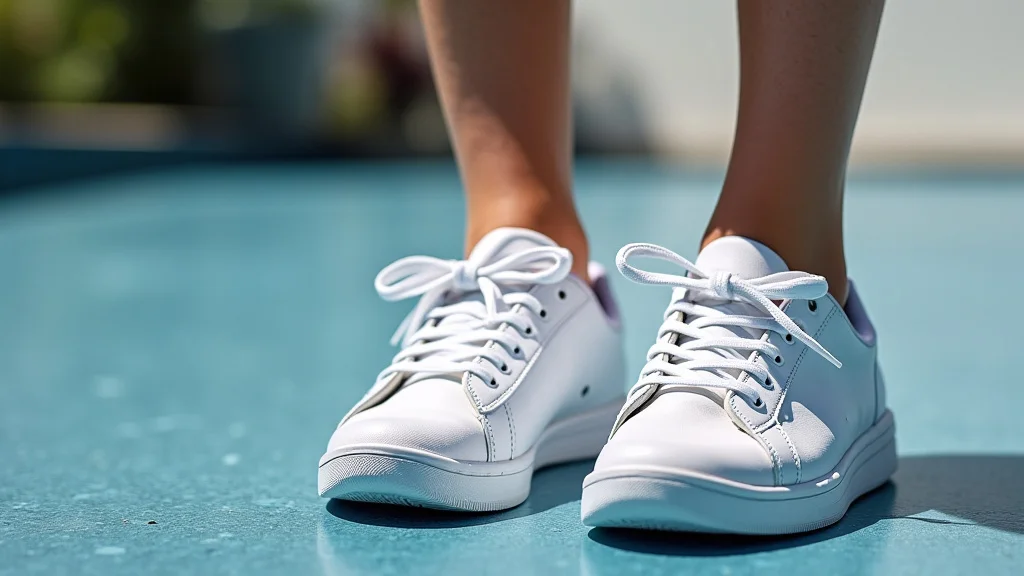
Remember that feeling when your favorite white tennis shoes get those stubborn grass stains or scuff marks after a great game? It’s a shame to see them lose their fresh look so quickly. Thankfully, with the right tools, keeping your athletic footwear looking its best is surprisingly simple.
This guide will show you how to use a tennis shoe cleaning kit effectively. You’ll learn how to tackle dirt, grime, and stains, ensuring your shoes stay pristine longer. Get ready to restore your sneakers to their former glory.
Key Takeaways
- Identify the essential components of a good tennis shoe cleaning kit.
- Learn the step-by-step process for cleaning different shoe materials.
- Discover methods for removing common stains like grass, mud, and scuffs.
- Understand how to maintain your cleaning tools for longevity.
- Find tips for preventing dirt and damage to your tennis shoes.
Choosing Your Tennis Shoe Cleaning Kit
Selecting the right cleaning supplies is the first step to sparkling clean tennis shoes. A comprehensive kit usually includes a gentle cleaning solution, soft brushes, and microfiber cloths. Different materials, like leather, canvas, and synthetic fabrics, require specific care.
Knowing your shoe’s material will help you pick the most effective cleaning agents. A good kit is an investment in the lifespan and appearance of your favorite sneakers.
What’s Inside a Basic Kit
Most starter kits come with a few key items. You’ll typically find a specialized cleaning foam or liquid. This is designed to lift dirt without damaging delicate shoe materials.
Along with the cleaner, expect a variety of brushes. These can range from soft bristles for general cleaning to stiffer ones for tougher spots.
Microfiber cloths are also essential. They are great for wiping away excess cleaner and buffing the shoes dry. Some kits might include a stain remover stick for targeted treatments.
Others may offer waterproofing sprays to protect your shoes after cleaning.
- Gentle Cleaning Solution
This is the heart of any cleaning kit. The solution should be effective against dirt and grime but mild enough not to cause discoloration or material breakdown. Look for formulas that are pH-neutral or specifically designed for athletic footwear.
Some are plant-based or biodegradable, which is better for the environment.
- Variety of Brushes
Different brushes serve different purposes. A soft-bristled brush is ideal for gently removing surface dirt from mesh or knit materials. A medium-stiff brush can tackle scuffs and tougher stains on rubber soles or synthetic leather.
Some kits even include a small detail brush for getting into tight seams and eyelets. The brush heads are usually made of nylon or horsehair.
- Microfiber Cleaning Cloths
These cloths are highly absorbent and non-abrasive, making them perfect for drying and polishing. They trap dirt particles effectively without scratching the shoe surface. Their fine fibers can pick up even microscopic debris.
It’s useful to have a few on hand so you can use a clean one for drying.
- Stain Remover Pen or Stick
For those stubborn spots that need extra attention, a stain remover pen is a lifesaver. These are typically applied directly to the stain and work quickly to break it down. They are great for grass marks, grease spots, or ink.
Always test on an inconspicuous area first.
Assessing Your Shoe’s Material
Before you start cleaning, take a moment to examine your tennis shoes. Are they made of smooth leather, canvas, mesh, suede, or a combination? Each material has its own cleaning needs.
Leather shoes, for example, need conditioning after cleaning to prevent cracking. Canvas and mesh shoes can usually withstand a bit more scrubbing. Suede and nubuck require specialized brushes and cleaners to avoid damage.
Knowing this information helps you choose the right products and techniques from your kit.
The Step-by-Step Cleaning Process
Cleaning your tennis shoes doesn’t have to be a chore. Following a simple, structured process will yield the best results. This method is designed to be effective for most types of dirt and shoes.
Preparation Is Key
Start by removing the shoelaces. This allows you to clean the tongue and interior of the shoe more thoroughly. You can clean the laces separately.
A good way to do this is to put them in a mesh laundry bag and wash them with your regular laundry.
Next, use a dry brush or a dry cloth to remove any loose dirt or debris from the shoes. This prevents you from smearing mud around when you introduce moisture. Getting rid of this initial layer makes the actual cleaning much easier and more effective.
Applying The Cleaner
Apply a small amount of the cleaning solution to your brush or directly onto the shoe. Work in small sections, using gentle, circular motions. For canvas or mesh, a bit more scrubbing might be needed.
For leather, be gentler to avoid scratching the surface.
The goal is to create a lather that lifts the dirt. Don’t soak the shoes, as excessive moisture can damage the materials or adhesive. A light lather is usually sufficient to break down most common grime.
Rinsing and Wiping
Use a clean, damp microfiber cloth to wipe away the lather and dirt. Rinse the cloth frequently. Repeat this process until all the cleaner and loosened dirt are removed.
Ensure you get into all the crevices.
Pay close attention to the seams and sole edges, where dirt often accumulates. A thorough wipe-down ensures no cleaning residue is left behind, which could attract more dirt later.
Drying Your Shoes
Never put your tennis shoes in a clothes dryer, as the heat can warp them. Instead, stuff them with plain white paper towels or newspaper to absorb excess moisture and help them keep their shape. Allow them to air dry completely, away from direct sunlight or heat sources.
Patience is important here. Shoes can take 12-24 hours to dry fully. Wearing damp shoes can lead to odors and damage the interior materials.
Ensure they are bone dry before lacing them up again.
Spot Cleaning Stains
For tough stains that the general cleaning process didn’t remove, use your stain remover stick or pen. Apply it directly to the stain and let it sit for a few minutes according to the product instructions. Then, gently blot the area with a damp cloth.
Repeat if necessary.
If you don’t have a specific stain remover, a paste made of baking soda and water can sometimes work on light-colored shoes. Always test any homemade solution on an inconspicuous spot first.
Tackling Common Stains
Tennis shoes are prone to specific types of stains due to the nature of the sport. Knowing how to address them can save your shoes from permanent damage.
Grass Stains
Grass stains are notoriously stubborn. The green chlorophyll can bind tightly to fabric fibers. For canvas or mesh, a pre-treatment solution or a paste of baking soda and hydrogen peroxide can be effective.
Gently apply the paste and let it sit for about 15-20 minutes before brushing and wiping. For leather, a specialized leather cleaner might be needed, followed by a leather conditioner. Avoid excessive rubbing, which can spread the stain.
Mud and Dirt Marks
Once mud has dried, it’s easier to remove. Brush off as much dry mud as possible. Then, use your regular cleaning solution and brush.
For dried-on mud caked into crevices, a firm brush or an old toothbrush works well.
If the mud has left a stain, especially on lighter materials, you might need to use a mild bleach solution for white canvas shoes, but test it first. Always rinse thoroughly after using any stronger cleaning agents.
Scuff Marks and Rubber Soles
Scuffs on leather or synthetic uppers can often be buffed out with a magic eraser or a pencil eraser. For rubber soles, toothpaste (white, non-gel kind) can be an effective cleaner. Apply a small amount to a brush and scrub the soles.
The mild abrasives in toothpaste help lift dirt and scuffs. Rinse the soles well afterward. Another effective method for soles is using a melamine foam sponge, often marketed as a “magic eraser.”
| Stain Type | Recommended Method | Caution |
|---|---|---|
| Grass Stains | Pre-treatment solution, baking soda paste, specialized leather cleaner | Avoid harsh scrubbing; test on an inconspicuous area. |
| Mud and Dirt | Dry brushing, mild soap solution, firm brush for caked dirt | Ensure complete drying to prevent odor. |
| Scuff Marks | Magic eraser, pencil eraser, toothpaste (for soles) | Use gentle pressure to avoid damaging finishes. |
Maintaining Your Cleaning Kit and Shoes
A good cleaning kit should last you a long time if maintained properly. Likewise, taking care of your shoes between cleanings will keep them looking great.
Caring for Your Tools
After each use, rinse your brushes thoroughly to remove any soap or dirt residue. Let them air dry completely before storing them. This prevents mold and mildew from growing on the bristles.
Wash your microfiber cloths regularly. You can usually toss them in the washing machine with your regular laundry, but avoid using fabric softener, as it can reduce their absorbency. Store your cleaning solution bottles with their caps tightly closed to prevent evaporation or leakage.
Preventative Measures
The best way to keep tennis shoes clean is to prevent them from getting dirty in the first place. If possible, change into dedicated indoor shoes for activities. Avoid wearing your tennis shoes on muddy trails or excessively dirty surfaces.
Consider applying a waterproofing or stain-repellent spray to your shoes after cleaning. This creates a barrier that helps repel water and dirt, making future cleanings much easier. Reapply this spray periodically, especially after washing.
When to Seek Professional Help
While a tennis shoe cleaning kit is great for regular maintenance, some stains or damages might be beyond home remedies. For very delicate materials like suede or if you’ve tried everything and the stain persists, consider a professional shoe cleaning service.
They have specialized equipment and cleaning agents that can often tackle issues that are difficult to resolve on your own. This is especially true for expensive or sentimental pairs of shoes.
Common Myths Debunked
Myth 1: You can just throw tennis shoes in the washing machine.
Reality: While some athletic shoes can be machine washed on a delicate cycle, it’s often not the best method. The high-speed spinning and harsh detergents can damage the adhesives, weaken the materials, and cause the shoes to lose their shape. Hand cleaning with a dedicated kit offers more control and gentler care.
Myth 2: Bleach is the best solution for white tennis shoes.
Reality: While diluted bleach can sometimes remove tough stains on white canvas, it’s a harsh chemical. It can weaken fabric fibers over time, cause yellowing, and damage rubber components. Always test a small, hidden area first and use it sparingly.
Gentler cleaning solutions are usually safer and just as effective.
Myth 3: All tennis shoe cleaning kits are the same.
Reality: Kits vary greatly in their contents and effectiveness. Some are designed for specific materials like leather or suede, while others are all-purpose. The quality of the brushes, the strength of the cleaning solution, and the inclusion of specialized tools can make a big difference in how well they work.
Myth 4: Once a stain is set, it’s impossible to remove.
Reality: Many stains can be removed with the right approach, even if they’ve been there for a while. The key is using the appropriate cleaning agent and technique for the type of stain and shoe material. Persistence and trying different methods can often lead to success.
Frequently Asked Questions
Question: How often should I clean my tennis shoes?
Answer: You should clean your tennis shoes as needed, typically after every few wears or immediately after they get significantly dirty. Regular light cleaning prevents dirt from becoming deeply ingrained.
Question: Can I use dish soap to clean my tennis shoes?
Answer: Mild dish soap can be used in a pinch, but it might not be as effective as specialized cleaners and could potentially strip away protective finishes. It’s best to use a cleaner designed for athletic shoes.
Question: How do I dry my shoes without them smelling bad?
Answer: Ensure shoes are completely dry before storing or wearing. Stuffing them with absorbent material like paper towels or newspaper helps wick away moisture. You can also place them in a well-ventilated area, away from heat, and consider using cedar shoe trees.
Question: Is it okay to clean the insoles?
Answer: Yes, insoles can often be removed and cleaned separately. Gently wash them with mild soap and water, then allow them to air dry completely before reinserting them.
Question: How can I restore the color of faded tennis shoes?
Answer: For some materials, like canvas, you might be able to use fabric dyes. For leather, specialized color restorers or dyes are available. Always test on an inconspicuous spot first to ensure an even result.
Summary
Using a tennis shoe cleaning kit is the most effective way to keep your footwear looking sharp. By selecting the right tools and following a simple cleaning process, you can tackle dirt, mud, and stains. Regular care and preventative measures will extend the life of your shoes.
Enjoy your clean and fresh-looking tennis shoes.