Tired of spending hours searching for the perfect pair of shoes for your little ones? It feels like just yesterday they were learning to walk, and now they need a whole new size and style for every season. Choosing the right shoe kids footwear can be a challenge, balancing comfort, durability, and that undeniable “cool” factor they demand.
This guide cuts through the noise. We will help you discover the best shoe kids options that fit their feet and your budget. You will learn what truly matters when buying shoes for children.
Key Takeaways
- Understand how shoe size changes and how to measure your child’s feet accurately.
- Learn about the different types of shoe kids styles and their specific benefits.
- Discover the importance of materials and construction for comfort and durability.
- Get tips on finding supportive and well-fitting shoes for various activities.
- Know when and how to replace worn-out shoes to protect your child’s feet.
- Find out how to shop smart and get the most value for your money on shoe kids purchases.
Choosing The Right Shoe Kids Size
Getting the right shoe size is fundamental for children’s foot health and comfort. Growing feet need space to develop properly. Too small, and they can cause blisters, bunions, and pain.
Too big, and they can lead to tripping, blisters, and poor gait development. Kids’ feet grow quickly, so regular checks are essential. A general rule is to check their shoe size every few months, especially for younger children.
Measuring Your Child’s Feet
Accurately measuring your child’s feet is the first step to finding the correct shoe size. This can be done at home with a few simple tools. You will need a piece of paper, a pencil, and a ruler or measuring tape.
Have your child stand on the paper with their heel against a wall. Mark the longest toe and the heel. Measure the distance between these two points in inches or centimeters.
Repeat for both feet, as they may not be exactly the same size. Always use the measurement from the larger foot when selecting a shoe.
- How to measure: Place the paper on a flat surface with one end against a wall. Have your child stand with their heel touching the wall.
- Mark the tip of their longest toe with a pencil. Ensure they are standing with their full weight on their foot.
- Measure the distance from the edge of the paper (where the heel was) to the mark you made. This gives you the length of their foot.
- Add space: Once you have the measurement, add about half an inch (or 1-1.5 cm) for growth and wiggle room. This extra space is crucial for healthy development.
Many parents wonder if they should add extra room for growth. The general consensus among podiatrists is yes. This buffer allows for natural foot expansion and prevents the shoe from feeling too tight as the day goes on or as their foot grows.
It also accommodates thicker socks in cooler weather.
Understanding Shoe Sizes
Children’s shoe sizing can vary significantly between brands and even between different styles within the same brand. There isn’t a universal sizing chart. However, most systems follow a similar progression.
There are US, UK, and European sizing systems. It’s always best to refer to the specific brand’s size chart. You can often find these on the brand’s website or on the shoe box.
- Common Sizing Charts: US sizes typically start from infant sizes and go up to adult sizes. UK sizes are often a bit different, and European sizes use a centimeter-based system.
- Brand Variations: Be aware that a size 10 in one brand might fit like a size 10.5 in another. This is why trying shoes on or checking detailed size guides is so important for shoe kids.
- Half Sizes: Many children’s shoes come in half sizes, which can be very helpful for achieving a perfect fit, especially when a child is between full sizes.
When in doubt, it is often better to err on the side of slightly larger rather than too small. A shoe that is too small can cause immediate discomfort and long-term foot problems. A shoe that is a little too big can be managed with thicker socks or insoles.
However, a shoe that is significantly too large can be a tripping hazard.
Types of Shoe Kids Footwear
The world of shoe kids footwear is vast, with options for every occasion and activity. From casual sneakers to sturdy boots, understanding the purpose of each type will help you make informed choices. The right shoe can support your child’s active lifestyle and protect their developing feet.
Everyday Sneakers
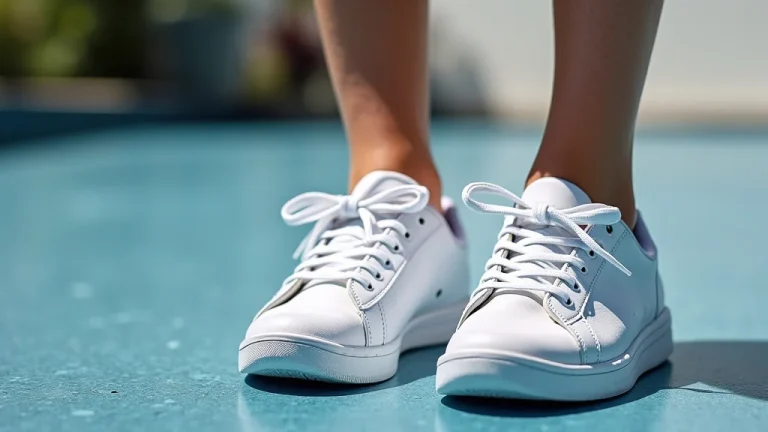
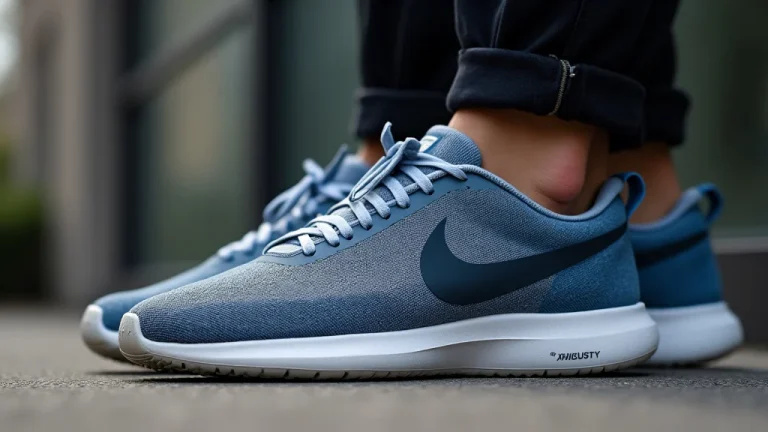
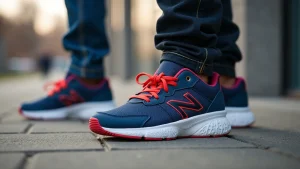
Sneakers are the workhorses of a child’s shoe collection. They are designed for comfort and durability, making them ideal for daily wear, school, and playtime. Most sneakers offer good ankle support and cushioning, which is essential for active kids.
Look for breathable materials to keep feet cool and dry.
- Features: Most sneakers feature rubber soles for grip, padded collars for comfort, and laces or Velcro straps for a secure fit.
- Materials: Canvas, leather, and mesh are common materials used in sneakers. Mesh offers the best breathability, while leather provides more durability and water resistance.
- Versatility: Sneakers can be worn with almost any casual outfit, making them a versatile choice for busy parents and active kids.
When choosing sneakers, consider the closure system. Velcro straps are fantastic for younger children who are still mastering their tying skills. Laces offer a more customizable fit for older kids.
Some sneakers also come with elastic laces that don’t require tying, offering a good compromise.
Athletic Shoes
For children involved in specific sports like running, basketball, or soccer, specialized athletic shoes are a must. These shoes are engineered to provide the support, cushioning, and traction needed for particular movements. They can help prevent injuries and improve performance.
- Sport-Specific Design: Running shoes offer excellent shock absorption, while basketball shoes provide ankle support. Soccer cleats offer superior traction on grass.
- Traction and Support: The soles of athletic shoes are designed to offer specific types of grip for different surfaces. Arch support and cushioning are also optimized for high-impact activities.
- Durability: These shoes are built to withstand the rigors of sports, using stronger materials and construction methods.
It is important not to let children wear running shoes for sports like basketball. The lateral support in running shoes is not sufficient for the side-to-side movements common in basketball, increasing the risk of ankle sprains. Always select footwear designed for the child’s primary sport.
Sandals and Flip-Flops
In warmer weather, sandals and flip-flops offer ventilation and ease of wear. However, not all open-toed shoes are created equal. For very young children or those who are still developing their balance, sandals with a heel strap offer more security than flip-flops.
- Supportive Sandals: Look for sandals with contoured footbeds that offer arch support and a secure strap system that keeps the foot in place.
- Toe Protection: For active play, sandals with a closed toe can offer protection against bumps and scrapes.
- Material Choice: Water-friendly materials like rubber and certain synthetic fabrics are great for beach or pool use. Leather sandals can be more stylish but may require more care.
Podiatrists often advise caution with excessive use of flip-flops for extended periods. The lack of support can strain the foot and lead to problems like plantar fasciitis. They are best reserved for short periods, like at the beach or pool.
Boots
Boots are essential for colder weather and outdoor adventures. They provide warmth, protection from the elements, and often offer superior traction for slippery surfaces.
- Winter Boots: These should be waterproof, insulated, and have a good grip on the sole to prevent slips on snow and ice.
- Rain Boots: Made from waterproof materials like rubber or PVC, rain boots keep feet dry and warm during wet weather play.
- Hiking Boots: For more rugged terrain, hiking boots offer ankle support and durable soles for stability.
When buying winter boots, ensure there is enough room for thick socks. A snug fit with thin socks will become too tight with winter socks, reducing circulation and making feet colder. Test the boots with the socks your child will typically wear.
Materials And Construction Of Shoe Kids Footwear
The materials used and the way shoes are constructed play a vital role in their comfort, durability, and support. Choosing shoes made from quality materials can make a significant difference in your child’s foot health and how long the shoes last.
Breathable Materials
Children’s feet tend to sweat more than adult feet. Using breathable materials in shoes helps to prevent moisture buildup, which can lead to discomfort, odor, and skin issues like athlete’s foot.
- Mesh: Often found in athletic shoes and sneakers, mesh is a lightweight, flexible, and highly breathable fabric that allows air to circulate freely.
- Canvas: A natural cotton fabric, canvas is also quite breathable and is commonly used in casual shoes and sneakers. It is durable but can be less water-resistant than other materials.
- Leather: High-quality leather is a natural material that is also breathable and molds to the shape of the foot over time, offering excellent comfort and durability.
When feet are constantly damp, they become more prone to friction and blisters. Good airflow is key to keeping feet dry, especially during active play or warm weather.
Durable Soles
The sole of a shoe is its foundation. For children’s shoes, the sole needs to be durable enough to withstand constant running, jumping, and playing, while also providing adequate grip.
- Rubber: Natural or synthetic rubber is the most common material for shoe soles due to its excellent durability, flexibility, and traction. It offers good shock absorption.
- Phylon/EVA: These are lightweight foam materials often used in the midsole of athletic shoes for cushioning and shock absorption.
- Tread Patterns: The pattern on the bottom of the sole, known as the tread, is designed to provide traction. Deeper, more aggressive treads are better for rough terrain, while flatter treads are suitable for indoor surfaces.
A shoe with a worn-out sole not only lacks grip, increasing the risk of slips, but also offers reduced cushioning. This can put more stress on your child’s feet and joints.
Supportive Construction
Proper construction means the shoe is built to support the foot’s natural structure and movement. This includes features like a firm heel counter and a flexible forefoot.
- Heel Counter: This is the stiff cup at the back of the shoe that cradles the heel. A good heel counter helps to stabilize the foot and prevent it from rolling inward or outward excessively.
- Arch Support: While children’s arches are still developing, some shoes offer mild arch support. Overly aggressive arch support in very young children can sometimes be detrimental.
- Flexibility: The shoe should be flexible in the forefoot (where the toes bend) but firm in the midfoot. This allows for natural foot movement during walking and running.
A shoe that is too stiff overall can restrict natural gait development. Conversely, a shoe that is too flimsy may not offer enough protection or support.
Finding Supportive And Well-Fitting Shoe Kids Footwear
The best shoe kids footwear is not just about appearance; it is about providing the right support and fit for healthy development. Investing in well-fitting shoes can prevent a range of common foot problems and ensure your child is comfortable during all their activities.
The Importance of Fit
A shoe that fits properly allows the foot to function naturally. It should not be too tight, causing pressure points or restricting movement, nor too loose, leading to excessive friction or instability. The correct fit ensures that the shoe acts as an extension of the foot, rather than an impediment.
- Toe Room: There should be about a thumb’s width of space between the end of the longest toe and the front of the shoe. This is the “wiggle room” necessary for natural foot movement.
- Width: The shoe should be wide enough to accommodate the natural width of the foot without pinching the sides. The foot should not bulge over the sole.
- Heel Fit: The heel should fit snugly without slipping up and down when the child walks. Excessive slipping can cause blisters.
Children often do not complain about ill-fitting shoes because they do not know what “correct” feels like. They may adapt to discomfort or simply endure it. This is why parental vigilance in checking fit is so crucial.
When To Seek Professional Advice
While most shoe shopping can be done at retail stores, there are times when seeking professional advice is beneficial. If your child has specific foot conditions, persistent pain, or you are having trouble finding a good fit, a podiatrist or a certified pedorthist can offer expert guidance.
- Foot Conditions: Children with flat feet, high arches, or gait abnormalities may benefit from specialized footwear or orthotics recommended by a professional.
- Persistent Pain: If your child complains of foot pain, leg pain, or limping that doesn’t resolve with new shoes, it is worth getting it checked by a doctor.
- Gait Analysis: A professional can observe your child’s walking pattern to identify any issues and suggest appropriate footwear or exercises.
Early intervention for foot problems in children can prevent more serious issues from developing later in life. It is always better to be proactive about your child’s foot health.
Activity-Specific Shoe Considerations
Just as different activities require different clothing, they also require different footwear. Using the right shoe for the right activity can enhance performance, comfort, and safety.
- Playgrounds: For playground activities, sneakers with good grip and ankle support are ideal. Closed-toe shoes protect against stubbed toes.
- School: Comfortable and supportive sneakers or walking shoes are usually the best choice for a school day that involves a lot of walking and standing.
- Special Events: For dressier occasions, choose shoes that are still comfortable and not too tight, even if they are not athletic shoes. Avoid high heels for children.
A common scenario is a child wearing their everyday sneakers to a sports practice. While they might seem fine, they lack the specialized support needed for athletic movements, increasing the risk of injury.
When To Replace Shoe Kids Footwear
Children’s shoes wear out faster than adult shoes due to their high activity levels. Knowing when to replace them is key to maintaining foot health and comfort.
Signs of Wear and Tear
Regularly inspect your child’s shoes for signs of wear. These indicators signal that the shoe is no longer providing adequate support or protection.
- Worn Soles: If the tread on the sole is significantly worn down, the shoe will have less grip, making slips more likely.
- Damaged Uppers: Tears, holes, or significant scuffing on the upper part of the shoe can affect its structural integrity and protection.
- Compressed Insoles: If the cushioning inside the shoe feels flattened or compressed, it is no longer providing effective shock absorption.
- Loose Stitching or Straps: Any unraveling seams or damaged Velcro/laces mean the shoe is no longer fitting securely.
A child might not notice or complain about these issues, especially if they have grown accustomed to slightly worn shoes. It is up to the caregiver to spot these signs.
Growth Indicators
Even if a shoe shows no signs of wear, your child may have outgrown it. Children’s feet grow in spurts.
- Toe Pushing: You might notice the toe of the shoe becoming misshapen or worn from your child’s toes pushing against the front.
- Discomfort: Your child may start to complain of discomfort, say their feet hurt, or refuse to wear certain shoes.
- Stance Changes: Watch how your child stands or walks. If they seem to be splaying their toes or changing their stance to fit into a shoe, it’s likely too small.
Children’s feet can grow as much as half a shoe size in a few months. Regular checks prevent them from wearing shoes that are too small, which can lead to ingrown toenails and other foot problems.
Common Myths Debunked
Myth 1: Kids grow out of shoes so fast, it doesn’t matter if they are not perfect.
While it’s true children’s feet grow rapidly, this doesn’t mean shoe fit is unimportant. Ill-fitting shoes, even if worn for a short period, can cause immediate discomfort, blisters, and even temporary gait changes. Long-term exposure to poorly fitting shoes can contribute to developmental issues in foot structure and posture.
Prioritizing a good fit ensures comfort and supports healthy foot development during crucial growth stages.
Myth 2: Sturdy, rigid shoes are always best for young children.
For very young children, particularly those who are just learning to walk (toddlers), shoes should be flexible. Rigid shoes can hinder the natural development of their foot muscles and arch. While some support is needed, a shoe that bends easily at the ball of the foot and has a soft, pliable sole is generally more appropriate for encouraging natural movement and strengthening foot muscles.
Myth 3: You should always buy shoes a size too big to account for growth.
Buying shoes that are excessively large is not recommended. While some growth room is necessary (about half an inch or 1-1.5 cm), shoes that are too big can be a tripping hazard. They can also cause blisters due to excessive rubbing and encourage unnatural walking patterns as the child tries to compensate.
It is best to aim for a snug but comfortable fit with adequate toe space, rather than a significantly oversized shoe.
Frequently Asked Questions
Question: How often should I measure my child’s feet?
Answer: For children under three years old, it is recommended to measure their feet every two to three months. For older children, checking every four to six months is usually sufficient, as their growth rate slows down.
Question: Can my child wear adult shoes if they have the same foot length?
Answer: Generally, no. Adult shoes are designed differently, with variations in width, arch support, and flexibility that are not suited for developing children’s feet. Children’s shoes are specifically engineered to support their unique growth and movement patterns.
Question: What is the difference between a wide and extra-wide shoe?
Answer: Wide and extra-wide designations refer to the shoe’s girth. A wide shoe is proportionally wider than a standard width, while an extra-wide shoe is even more generous. This is important for children whose feet are broad and may feel pinched in standard-width shoes.
Question: Are expensive brands always better for kids’ shoes?
Answer: Not necessarily. While some premium brands offer high-quality materials and construction, many affordable brands also provide excellent, supportive, and durable footwear. Focus on fit, material quality, and construction features rather than just the brand name.
Question: Can my child wear the same shoes for sports and everyday wear?
Answer: While it might seem convenient, it is best to have separate shoes for different activities. Sports shoes are designed with specific support and traction for athletic movements, which can be overkill or even detrimental for casual wear. Everyday shoes may lack the necessary support for sports, increasing the risk of injury.
Summary
Finding the right shoe kids footwear ensures comfort, support, and healthy foot development. Always measure your child’s feet and check for adequate toe room and a snug heel fit. Consider materials, construction, and the specific activity the shoes will be used for.
Regularly inspect shoes for wear and growth, replacing them when needed.