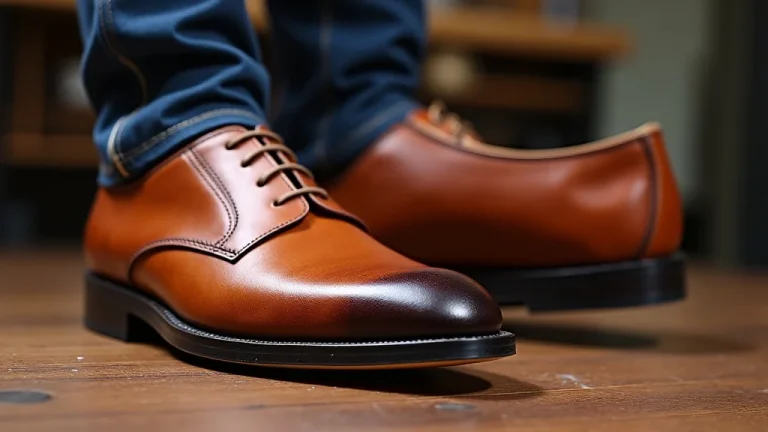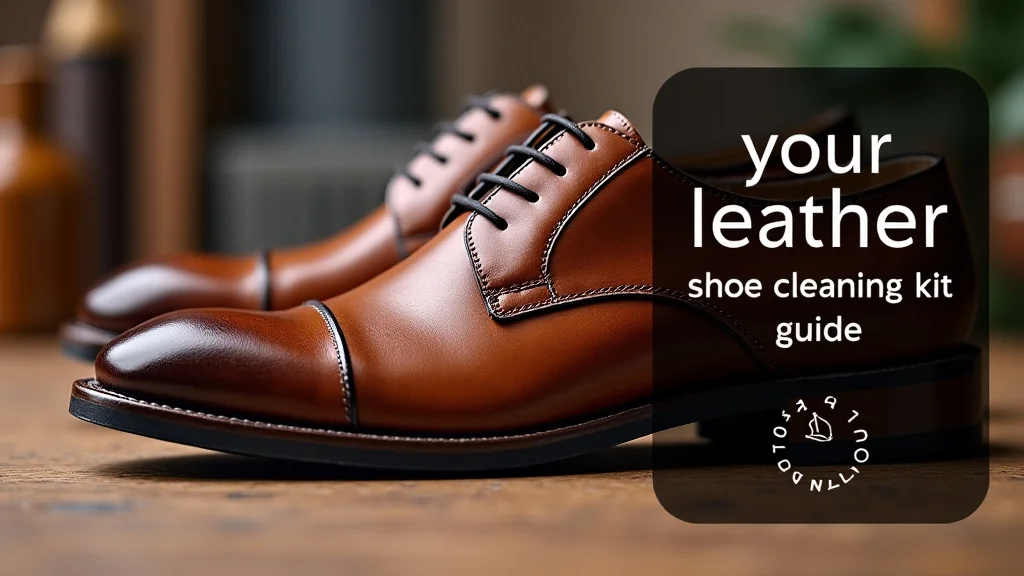
You just bought a fantastic pair of leather shoes. They look amazing. But a little rain or a dusty path can quickly dim their shine.
Don’t let dirt and scuffs ruin your investment. Learning how to properly care for your shoes is essential. A good leather shoe cleaning kit will become your best friend.
This guide will show you exactly what you need and how to use it. You will keep your shoes looking new for years, saving you money and time.
Key Takeaways
- A leather shoe cleaning kit contains essential tools and products for shoe care.
- Proper cleaning extends the life and appearance of your leather shoes.
- Different leather types may require specific cleaning methods.
- Regular maintenance prevents permanent damage and costly repairs.
- Choosing the right kit ensures effective and safe shoe care.
- Using the correct products protects the natural oils in the leather.
Essential Components of a Leather Shoe Cleaning Kit
A quality leather shoe cleaning kit is more than just a random collection of items. It’s a curated set of tools and products designed to address the specific needs of leather footwear. These kits aim to simplify shoe care, making it accessible to everyone, regardless of their prior experience.
When you have the right components, you can tackle everything from daily dust to stubborn stains with confidence. This section breaks down what you should expect in a comprehensive kit and why each item is important for maintaining the beauty and integrity of your leather shoes.
Leather Cleaner Formula
The cornerstone of any effective cleaning kit is a good leather cleaner. This is not your average soap or detergent. Leather cleaner is specifically formulated to break down dirt, grime, and oil without stripping the leather of its natural moisture and oils.
These oils are vital for keeping the leather supple, preventing it from drying out, cracking, or becoming brittle. A good cleaner will gently lift away impurities while preparing the leather for conditioning.
- Purpose: To safely remove dirt, scuffs, and stains from the leather surface.
- How it Works: It uses mild surfactants and emulsifiers to bind with dirt particles, allowing them to be wiped away easily. It’s designed to be pH-balanced for leather, ensuring it doesn’t cause damage.
- Why it’s Important: Using regular soap can dry out leather, leading to cracks and premature wear. A dedicated cleaner preserves the leather’s natural feel and flexibility.
Many leather cleaners come in spray bottles or as a liquid you apply with a cloth. For tougher stains, some kits might include a more concentrated spot cleaner. Always test a small, inconspicuous area of the shoe first to ensure compatibility with the leather dye and finish.
This small step can save you from widespread discoloration or damage.
Leather Conditioner and Moisturizer
After cleaning, leather needs to be replenished. This is where a leather conditioner comes in. Think of it like lotion for your skin.
It reintroduces moisture and essential oils that are lost during the cleaning process and through normal wear. Conditioning keeps the leather soft, pliable, and resistant to cracking. It also helps to restore a natural sheen and can even provide a level of water resistance.
- Purpose: To rehydrate and nourish the leather, keeping it soft and flexible.
- How it Works: Conditioners often contain natural oils, waxes, and emollients that penetrate the leather fibers. They help to prevent dryness, maintain elasticity, and protect against future damage.
- Why it’s Important: Dry, unconditioned leather is prone to cracking, especially in areas that flex frequently, like the toe and heel. Regular conditioning significantly extends the lifespan of your shoes.
Some advanced kits might include products like mink oil or beeswax balms for extra protection and waterproofing, particularly for rugged or outdoor footwear. These offer a deeper level of nourishment and defense against the elements.
Application Brushes and Cloths
The tools you use for application are just as crucial as the products themselves. A good leather shoe cleaning kit will include soft-bristled brushes and lint-free cloths. Brushes are used to gently work the cleaner into the leather’s grain and to buff away residue.
Soft cloths are essential for applying conditioners, wiping away excess product, and buffing to a shine.
- Purpose: To apply products evenly and safely, and to remove dirt and residue without scratching the leather.
- How it Works: Soft bristles gently lift dirt from creases and textures. Microfiber or soft cotton cloths absorb excess product and buff the surface to a smooth finish.
- Why it’s Important: Using rough materials can scratch or damage the leather’s surface, leaving unsightly marks. The right tools ensure a professional-looking finish and prevent damage.
Some kits may also include a horsehair brush, which is ideal for applying polish and achieving a high shine. Suede brushes, with their stiffer bristles, are necessary if you have suede or nubuck shoes, as these materials require a different approach.
Protective Sprays and Polishes
To keep your shoes looking their best after cleaning and conditioning, polishes and protective sprays are often included. Polishes add color to scuffs and scratches, restoring the shoe’s original appearance. They also provide a layer of shine and a minor protective barrier.
Protective sprays, often waterproof or stain-repellent, add an extra shield against moisture and spills.
- Purpose: To restore color, add shine, and provide protection against water and stains.
- How it Works: Polishes contain pigments and waxes that fill in minor imperfections and create a lustrous finish. Protective sprays form a barrier on the surface that repels liquids.
- Why it’s Important: These products not only enhance the look of your shoes but also add a practical layer of defense against everyday wear and tear.
It’s important to match the polish color to your shoes. For everyday wear, a neutral polish can be used for shine without altering the color. For more extensive damage, a color-matched polish is a lifesaver.
Using Your Leather Shoe Cleaning Kit Effectively
Having the right tools is only half the battle; knowing how to use them is key to achieving the best results. Following a systematic approach ensures that you clean your leather shoes thoroughly without causing any unintended damage. This process not only restores their appearance but also helps to preserve the material for longer.
Think of it as a spa treatment for your footwear, where each step builds upon the last.
Step-by-Step Cleaning Process
The general process for using a leather shoe cleaning kit is fairly universal. It starts with removing loose dirt and progresses through cleaning, conditioning, and finally, protecting. Each phase is important for the overall health and appearance of the leather.
Skipping a step can lead to less than ideal results or even potential damage over time.
- Preparation: Start by removing loose dirt and debris from your shoes using a soft brush or a dry cloth. This prevents you from grinding dirt into the leather during the wet cleaning phase.
- Cleaning: Apply a small amount of leather cleaner to a clean cloth or applicator. Gently wipe down the entire surface of the shoe, paying attention to any soiled areas. Work the cleaner in a circular motion.
- Wipe Off Excess Cleaner: Use a clean, damp cloth to wipe away any cleaner residue. Ensure you get into all the nooks and crannies.
- Drying: Let the shoes air dry naturally. Avoid placing them near direct heat sources like radiators or in direct sunlight, as this can cause the leather to become brittle.
- Conditioning: Once the shoes are completely dry, apply a leather conditioner. Use a clean cloth or applicator, working the conditioner into the leather in a circular motion. Ensure even coverage.
- Buffing: After the conditioner has had a few minutes to absorb (check product instructions), use a clean, dry cloth or a horsehair brush to buff the shoes. This brings out the natural sheen and removes any excess conditioner.
- Polishing (Optional): If there are scuffs or you want extra shine, apply a small amount of shoe polish that matches your shoe color. Work it into the leather and then buff again.
- Protection: For added defense, apply a protective spray designed for leather. Follow the product’s instructions carefully, usually involving spraying at a specific distance and allowing it to dry.
Dealing with Different Leather Types
Not all leather is created equal, and your cleaning kit should be versatile enough to handle common variations, or you may need specialized products. Understanding the type of leather you have is crucial for selecting the right approach. Using the wrong cleaner or conditioner can sometimes do more harm than good, especially with more delicate finishes.
Smooth Leather
This is the most common type of leather for shoes. It has a smooth, uniform surface. Your standard leather shoe cleaning kit is designed primarily for smooth leather.
The cleaning and conditioning process outlined above is perfect for maintaining these shoes.
- Characteristics: Smooth grain, often with a slight sheen.
- Care: Gentle cleaning with mild leather cleaner, followed by conditioning. Regular polishing can restore color and shine.
- Example: Most dress shoes, loafers, and many casual leather boots are made from smooth leather.
Suede and Nubuck
These materials have a napped, fuzzy surface. They require a different cleaning approach and often specialized tools. Standard leather cleaners and conditioners can flatten the nap and stain these materials.
A suede brush and a suede eraser are essential for removing dry dirt and marks. For stains, suede cleaners are available.
- Characteristics: Soft, velvety texture due to a brushed surface.
- Care: Use a suede brush to lift the nap and remove loose dirt. For tougher marks, use a suede eraser. Specialized suede cleaners are needed for stains. Avoid water unless using a waterproofing spray specifically for suede.
- Example: Many casual shoes, boots, and fashion sneakers feature suede or nubuck uppers.
A typical leather shoe cleaning kit might not include suede-specific items. If you own suede shoes, consider purchasing a separate suede care kit. This usually involves a stiff brush, a suede eraser, and a protector spray.
Patent Leather
Patent leather has a high-gloss, plastic-like coating. It’s very different from regular leather. It doesn’t require traditional cleaning or conditioning.
Instead, it needs a specialized patent leather cleaner, often a spray or wipe. This cleaner is designed to remove smudges and restore its signature shine without damaging the coating.
- Characteristics: Extremely shiny, smooth, and somewhat rigid surface.
- Care: Wipe clean with a soft, damp cloth for light dust. Use a dedicated patent leather cleaner for smudges and to restore shine. Avoid leather conditioners, as they can cloud the finish.
- Example: Formal shoes, certain fashion boots, and some dress shoes feature patent leather.
Protecting Your Leather Shoes
Once your shoes are clean and conditioned, the final step is protection. This barrier helps to repel water, prevent stains, and make future cleaning easier. Think of it as adding a shield to your shoes, so they can better withstand the daily grind.
- Waterproofing: Sprays create a barrier that repels water, preventing it from soaking into the leather and causing stains or damage. This is especially useful for shoes worn in wet climates.
- Stain Repellency: Similar to waterproofing, these sprays help liquids bead up on the surface rather than penetrating the leather, making spills easier to wipe away before they set.
- Durability: Regular application of protectors can help the leather maintain its integrity longer by shielding it from environmental factors like UV rays and salt.
When applying a protector spray, always do so in a well-ventilated area. Hold the can at the recommended distance and apply an even coat. Allow the shoes to dry completely before wearing them.
Reapply protection every few months, or more often if you frequently expose your shoes to harsh conditions.
Maintaining the Shine and Longevity of Your Footwear
Caring for your leather shoes is not a one-time event; it’s an ongoing process. Regular maintenance is the secret to keeping them looking good and feeling comfortable for many years. A complete leather shoe cleaning kit equips you for this task, but consistency is key.
Think of it as a routine that benefits both the look and the lifespan of your shoes.
The Importance of Regular Cleaning
Dirt, dust, and grime aren’t just unsightly; they can actually break down the leather fibers over time. When dirt particles get ground into the leather’s surface, they act like tiny abrasives. This constant friction can weaken the material, leading to premature wear and tear, especially in high-flex areas like the toe box and the heel.
- Prevents Abrasion: Regular removal of grit and dirt stops it from acting like sandpaper on your leather.
- Maintains Appearance: Keeping shoes clean ensures they always look their best, reflecting well on your overall presentation.
- Reduces Stain Risk: Cleaning up spills quickly before they soak in is much easier than tackling dried-in stains later.
Even if your shoes aren’t visibly dirty, a quick wipe-down with a soft cloth can remove surface dust. This simple habit prevents the buildup of microscopic particles that can dull the leather’s finish and begin to degrade it.
Conditioning for Suppleness
Leather is a natural material that contains oils. These oils keep it flexible and prevent it from drying out. Exposure to the elements, especially heat and dryness, can deplete these natural oils.
Without replenishment, leather becomes stiff, brittle, and prone to cracking. Conditioning is like giving your shoes a drink of water.
- Restores Moisture: Conditioners reintroduce essential oils and moisture that are lost through wear and environmental exposure.
- Prevents Cracking: Supple leather is much more resistant to the stresses of bending and folding, reducing the likelihood of cracks.
- Enhances Feel and Look: Conditioned leather feels softer and often has a richer, deeper appearance.
The frequency of conditioning depends on how often you wear your shoes and the conditions they are exposed to. For shoes worn daily in dry climates, conditioning every 1-2 months might be necessary. For less frequently worn shoes, every 3-6 months is often sufficient.
Always check the conditioner’s instructions for specific guidance.
The Role of Shoe Trees
While not always part of a basic leather shoe cleaning kit, shoe trees are an invaluable accessory for shoe care. They are inserted into shoes when they are not being worn to help maintain their shape and absorb moisture.
- Maintains Shape: Shoe trees gently push out creases and wrinkles that form during wear, helping your shoes retain their original structure.
- Absorbs Moisture: Unfinished cedar shoe trees are particularly effective at drawing out moisture and sweat from the shoe lining. This helps prevent the leather from becoming waterlogged and reduces odors.
- Aids Drying: By keeping the shoe open and allowing air circulation, shoe trees assist in the drying process after wear, which is vital for leather longevity.
Cedar shoe trees are highly recommended because they have natural deodorizing and moisture-wicking properties. Using shoe trees every time you take off your shoes can significantly extend their life and keep them looking newer for longer.
When to Seek Professional Help
While a leather shoe cleaning kit is excellent for regular maintenance, there are times when professional help is needed. Deep stains, significant scuffs that penetrate the leather, or extensive damage to the stitching or sole might be beyond the scope of a DIY kit.
- Severe Stains: If you’ve tried your cleaner and the stain remains, a professional might have access to stronger, specialized solutions.
- Deep Scratches or Cuts: Beyond minor scuffs that polish can hide, deeper damage may require skilled repair to prevent further deterioration.
- Sole and Heel Damage: Issues with the structural integrity of the shoe, like worn-down soles or loose heels, are best addressed by a cobbler.
A good cobbler or shoe repair specialist can perform services like resoling, stitching repairs, and color restoration that go far beyond what a standard cleaning kit can offer. They can also advise on specific care for rare or exotic leathers.
Common Myths Debunked
Myth 1: You can use regular household cleaners on leather shoes.
This is a common mistake that can ruin your shoes. Household cleaners like dish soap, laundry detergent, or all-purpose sprays are often too harsh for leather. They can strip away the natural oils, leaving the leather dry, brittle, and prone to cracking.
They can also contain chemicals that damage the dye or finish of the leather. Always use a cleaner specifically designed for leather.
Myth 2: Conditioning leather shoes is only necessary when they look dry.
Leather loses moisture over time, even if it doesn’t look visibly dry. Environmental factors like heat, sunlight, and even dry air can slowly deplete the leather’s natural oils. Conditioning should be done regularly as a preventative measure, not just as a reactive fix.
It’s like drinking water; you do it before you get extremely thirsty to stay hydrated.
Myth 3: Polishing shoes makes them waterproof.
Shoe polish adds color, shine, and a minor protective layer, but it does not make shoes waterproof. While it can offer some resistance to light moisture, heavy rain or prolonged exposure to water can still soak through. For true waterproofing, you need to use dedicated waterproofing sprays or waxes designed for leather, and apply them after cleaning and conditioning.
Myth 4: All leather types can be treated with the same cleaning kit.
This is not true. Different types of leather, such as smooth leather, suede, nubuck, and patent leather, require different care. Suede and nubuck have a delicate nap that can be ruined by standard leather cleaners and conditioners.
Patent leather has a plastic coating that needs specialized cleaners to maintain its shine. Always identify your leather type and use the appropriate products and tools.
Frequently Asked Questions
Question: How often should I use my leather shoe cleaning kit?
Answer: For shoes you wear daily, aim to clean and condition them every 1-2 months. For shoes worn less frequently, every 3-6 months is usually sufficient. Always clean off heavy dirt after each wear.
Question: Can I use a hairdryer to speed up the drying process after cleaning?
Answer: No, you should never use direct heat like a hairdryer, radiator, or direct sunlight to dry leather shoes. This can cause the leather to become brittle, crack, and warp.
Question: My shoes have a scuff mark. Can my kit fix it?
Answer: Minor scuffs can often be buffed out with a soft cloth after conditioning, or covered with a color-matched shoe polish. For deep scuffs that have damaged the leather, professional repair might be needed.
Question: What is the difference between leather cleaner and conditioner?
Answer: Cleaner removes dirt and grime without stripping essential oils, while conditioner replenishes lost moisture and oils to keep the leather soft and supple.
Question: Should I use shoe trees with my cleaned shoes?
Answer: Yes, using shoe trees is highly recommended. They help maintain the shoe’s shape, absorb moisture, and reduce creasing, which aids in the longevity and appearance of your shoes after cleaning.
Conclusion
A leather shoe cleaning kit is your essential partner for keeping footwear looking great. Proper cleaning and conditioning prevent damage, extend shoe life, and maintain their visual appeal. Use the right products and techniques consistently.
Your shoes will thank you with years of stylish wear.