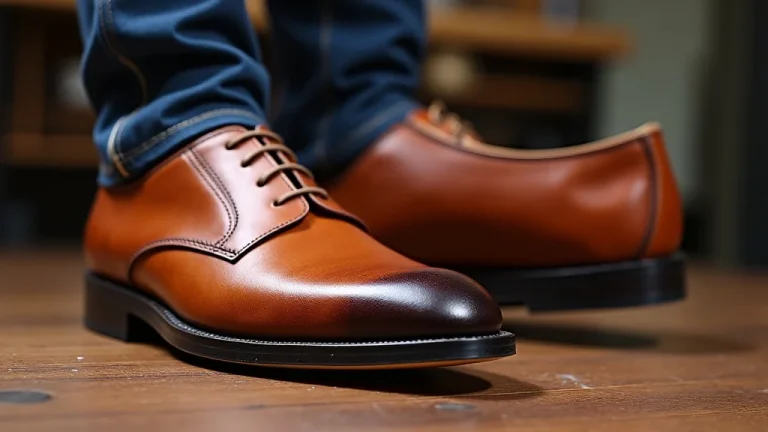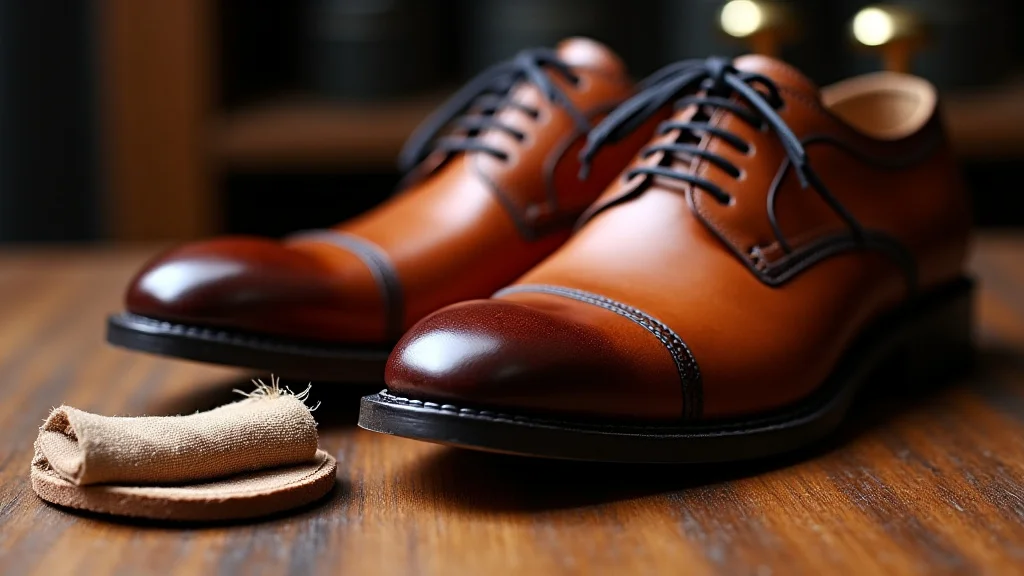
You just bought a new pair of gorgeous leather boots, the kind that make you feel like you can conquer anything. You want them to stay looking that good forever, right? Keeping your leather footwear in top shape doesn’t have to be complicated.
A good leather shoe care kit is your best friend. This guide will show you exactly what to look for and how to use it. You’ll learn to protect your investment and keep your shoes looking brand new for years.
Key Takeaways
- Identify the essential components of a comprehensive leather shoe care kit.
- Learn the correct usage for each product to effectively clean and protect leather.
- Discover tips for conditioning and polishing leather shoes to maintain their appearance.
- Understand how to address common leather shoe issues with the right tools.
- Find out how to store your leather shoe care kit for maximum longevity.
Building Your Leather Shoe Care Kit
A quality leather shoe care kit is more than just a collection of bottles; it’s a system for preserving the beauty and lifespan of your leather footwear. Think of it as a personal spa for your shoes. When you invest in good shoes, you should also invest in maintaining them.
This section breaks down the core items you’ll find in a well-stocked kit and explains why each one is important for keeping your leather looking its best.
Essential Cleaning Tools
Before any polish or conditioner can work its magic, your shoes need to be clean. Dirt, dust, and grime can act like sandpaper under polish, dulling the finish and even causing scratches over time. This is where your cleaning tools come in.
They are the first step in a successful shoe care routine, ensuring that you’re not just covering up dirt but actually removing it.
- Soft Brushes: These are used to gently sweep away surface dust and dirt. A horsehair brush is a popular choice because its natural bristles are soft enough not to scratch the leather but firm enough to lift debris. You might have one for general dusting and another, slightly stiffer one, for working in cleaning solutions.
- Cleaning Cloths: You’ll want soft, lint-free cloths, often made of microfiber or cotton. These are essential for applying cleaners, wiping away excess product, and buffing. Having a few on hand means you can dedicate one cloth to cleaning, another to applying conditioner, and a third for polishing, preventing cross-contamination of products.
- Leather Cleaner: This is a specialized liquid or foam designed to break down dirt, oils, and old polish without stripping the leather of its natural moisture. A good cleaner will lift impurities from the leather’s pores, leaving a clean surface ready for treatment. Always test on an inconspicuous area first to ensure it doesn’t affect the leather’s color.
Using the right cleaning tools prevents damage. Abrasive brushes or rough cloths can scratch the delicate surface of fine leather. Similarly, harsh chemical cleaners can dry out the leather, leading to cracks and a dull appearance.
For instance, imagine trying to scrub a delicate painting with steel wool; the result would be disastrous. Leather cleaning requires a gentle yet effective approach, ensuring the integrity of the material is maintained throughout the process.
Many professional cobblers recommend a two-brush system for cleaning. One brush, often a softer horsehair, is for dusting off loose particles. The second, perhaps with slightly firmer bristles or a dedicated applicator brush, is for working in a mild leather cleaner.
This dual approach ensures thorough cleaning without stressing the leather fibers. For stubborn dirt embedded in the grain, a soft-bristled toothbrush can also be a surprisingly effective tool for targeted cleaning.
Conditioning and Moisturizing Leather
Leather is a natural material, much like skin. It needs moisture to remain supple and prevent it from drying out, cracking, or becoming stiff. Conditioning products replenish the natural oils lost over time due to wear, exposure to the elements, and even the cleaning process.
This step is crucial for extending the life of your shoes and maintaining their flexibility and feel.
- Leather Conditioner or Cream: These are typically creamy or lotion-like substances that penetrate the leather to restore lost oils and emollients. They keep the leather soft, prevent it from becoming brittle, and help maintain its natural breathability. Look for products with natural ingredients like lanolin or mink oil.
- Applicator Sponges or Cloths: Similar to cleaning, applying conditioner evenly is key. Soft sponges or dedicated applicator cloths help you work the product into the leather in a thin, uniform layer. This ensures consistent absorption and prevents product build-up in certain areas.
Think of leather conditioner like lotion for your hands. If you don’t moisturize your hands, they become dry, rough, and can even crack. Leather behaves similarly.
Without regular conditioning, the leather can become stiff, dull, and prone to creasing or tearing. A well-conditioned shoe will feel more pliable and have a richer, more lustrous appearance.
A common mistake is over-conditioning, which can make the leather too soft and prone to scuffs or stretching. The general rule of thumb is to apply a small amount and work it in. You should be able to see the leather absorb the conditioner; if it’s just sitting on the surface, you’re likely using too much.
The goal is to nourish, not to saturate.
For example, a pair of expensive leather dress shoes might require conditioning every 3-6 months, depending on wear and climate. If you live in a dry climate or frequently wear your shoes outdoors, you might need to condition them more often. Conversely, shoes worn only occasionally in mild conditions might only need a conditioning treatment once a year.
The visual and tactile feel of the leather are your best indicators.
Polishing for Shine and Protection
Polishing is where you add that beautiful shine and provide an extra layer of protection. A good polish not only enhances the color and luster of your leather but also helps to repel water and minor scuffs. It’s the finishing touch that makes your shoes look impeccable and adds a protective barrier against everyday wear and tear.
- Shoe Polish (Wax or Cream): Polishes come in various forms. Wax-based polishes offer a higher shine and better water resistance but can be harder to work with. Cream polishes are more conditioning and easier to apply, offering a softer sheen. Choose a color that matches your shoes exactly, or a neutral shade for most leathers.
- Buffing Brush: After applying polish, a buffing brush, often with very soft horsehair bristles, is used to bring out the shine. This process helps to distribute the polish evenly and create a smooth, reflective surface.
- Soft Polishing Cloths: Used for applying the polish itself and for the final buffing. Clean cloths ensure you don’t transfer dirt or old polish residue back onto your shoes.
A common misconception is that polish is just for looks. While it certainly adds shine, high-quality shoe polish also contains waxes and pigments that offer protection. These ingredients can fill in tiny scuffs and scratches, making them less noticeable.
They also create a barrier against moisture, helping to prevent water spots and stains from penetrating the leather.
Consider a pair of brown leather oxfords. After cleaning and conditioning, applying a matching brown wax polish can revive the leather’s color, cover minor scuffs on the toe box, and give them a mirror-like shine. This not only makes them look stunning for a formal event but also provides a protective layer that can help them withstand a sudden rain shower better than unpolished shoes.
The shine is a visible sign of care and protection working together.
The technique for applying polish matters. For a high-shine finish, apply a thin layer of wax polish and let it dry slightly. Then, use a buffing brush in quick, circular motions to generate heat and friction, which brings out the gloss.
For a more subdued, natural look, cream polishes are often preferred, applied with a cloth and buffed gently.
| Polish Type | Pros | Cons | Best For |
|---|---|---|---|
| Wax Polish | High shine, excellent water resistance, durable finish | Can be harder to apply, may hide leather’s natural texture | Dress shoes, high-shine finishes, maximum protection |
| Cream Polish | Easy to apply, conditioning properties, natural sheen | Less water resistant, lower shine potential | Everyday wear, restoring color, softer finishes |
| Saddle Soap | Cleans and conditions simultaneously, removes dirt and salt stains | Can lighten some leathers, not a true polish | Heavily soiled shoes, removing stubborn grime |
Specialized Leather Shoe Care Products
While a basic kit covers most needs, certain situations call for specialized products. These items address specific challenges your leather shoes might face, from water damage to scuffs and marks. Having these on hand ensures you can tackle any issue that arises, keeping your footwear in optimal condition no matter the circumstances.
- Waterproofing Sprays or Waxes: For shoes that will be exposed to rain or snow, a waterproofing treatment is invaluable. These products create an invisible barrier that repels water without affecting the leather’s breathability. Different formulations are available, some for smooth leather, others for suede or nubuck.
- Suede and Nubuck Cleaners/Erasers: If you own footwear made from these napped leathers, you’ll need specific products. Suede erasers gently lift dirt and marks, while specialized cleaners and brushes restore the nap and texture. These leathers are more delicate and require a different approach than smooth leather.
- Stain Removers: For stubborn stains like ink, grease, or salt, a targeted stain remover might be necessary. These are often stronger chemicals, so they should be used with extreme caution and always tested on an inconspicuous area first.
- Edge Dressing: This is a product used to protect and finish the edges of shoe soles, which are often made of leather or layered materials. It helps prevent them from drying out, cracking, and fraying, maintaining the shoe’s overall structural integrity.
Consider the difference between a smooth leather loafer and a suede chukka boot. You wouldn’t use the same polish on both. Suede requires brushing to lift the nap and an eraser for marks, while smooth leather benefits from wax or cream polish for shine and protection.
Using the wrong product can ruin the texture or color of napped leathers, turning a beautiful boot into something you’d want to hide.
A real-life scenario: A sudden downpour soaks a pair of fine leather boots. Without a waterproofing treatment, the leather could develop water spots, become stiff, and even suffer permanent damage. However, if the boots were treated with a water-repellent spray beforehand, they would shed the water, and the leather would remain supple and undamaged, requiring only a light clean and buff afterward.
This highlights the importance of proactive care with the right products.
Tools for Application and Maintenance
Beyond the cleaning and treatment products, having the right tools for application and storage makes a significant difference. Proper tools ensure that you can apply products effectively and maintain your kit so it’s always ready for use. They are the unsung heroes that make the entire shoe care process smooth and efficient.
- Shoe Trees: Cedar shoe trees are not just for storage. They absorb moisture and odor from the inside of the shoe and help the leather retain its shape, preventing creases from becoming permanent. They are essential for maintaining the structure of your footwear between wears.
- Darners or Small Spoons: Sometimes, you need a small tool to scoop out small amounts of polish or cream from a tin without getting your fingers messy or contaminating the product. A small spatula or even the handle of a brush can work for this.
- Storage Box or Bag: Keeping all your shoe care items together prevents them from getting lost or damaged. A dedicated box, bag, or even a small caddy keeps everything organized and protected, making your shoe care routine more convenient.
Imagine trying to apply shoe cream with your bare hands versus using a dedicated applicator brush or cloth. The brush allows for more even distribution and less waste. Similarly, stuffing wet shoes with newspaper is a makeshift solution, but cedar shoe trees offer superior moisture absorption and shape retention.
The right tools streamline the process and yield better results.
A common point of confusion is whether shoe trees are necessary for every type of shoe. While they are most beneficial for structured shoes like oxfords, loafers, and boots, even casual sneakers can benefit from them to help them dry out properly after wear and maintain their form. The consistent support they provide is key to prolonging the life of the shoe’s structure.
Using Your Leather Shoe Care Kit Effectively
Having a kit is one thing; knowing how to use it is another. This section walks you through the practical steps of cleaning, conditioning, and polishing your leather shoes. Following these steps will ensure you get the best results, keeping your footwear looking its best and protected from damage.
The Cleaning Process
Start with clean shoes. This is the golden rule of leather care. Any dirt or debris left on the shoe will be worked into the leather during subsequent steps, potentially causing scratches or dulling the finish.
A thorough cleaning prepares the leather for all the beneficial treatments that follow.
- Remove Laces: If your shoes have laces, remove them. This allows you to clean the tongue and eyelets more effectively and prevents the laces from getting stained or damaged by cleaning products.
- Brush Off Loose Dirt: Use a soft brush to gently remove any surface dust, mud, or debris. Pay attention to crevices, seams, and the welt area.
- Apply Leather Cleaner: Dampen a soft cloth or sponge slightly with water and apply a small amount of leather cleaner. Work it into the leather using gentle, circular motions. For stubborn dirt, you might need a soft-bristled brush, but always be gentle.
- Wipe Away Residue: Use a clean, damp cloth to wipe away all the cleaner and lifted dirt. You may need to rinse and repeat this step a few times to ensure all residue is gone.
- Allow to Dry Naturally: Let your shoes air dry completely at room temperature. Never place them near direct heat sources like radiators or in direct sunlight, as this can dry out and damage the leather.
A common mistake is using household cleaners or too much water. Leather is porous and can be damaged by harsh chemicals. Water, while necessary for cleaning, should be used sparingly.
Excessive moisture can lead to staining, stiffening, and even mold growth if not dried properly. Always opt for products specifically designed for leather.
Consider a scenario where a pair of light-colored leather sneakers gets a muddy stain. A quick wipe with a damp cloth might not be enough. Applying a dedicated leather cleaner with a soft brush, working the cleaner into the stain gently, and then wiping away thoroughly with a clean cloth can lift the mud without damaging the leather’s color or finish.
This requires patience and the right cleaning agent.
Conditioning Your Leather Shoes
Once your shoes are clean and completely dry, it’s time to replenish their moisture. Conditioning keeps the leather supple, prevents cracking, and enhances its natural luster. This step is vital for the long-term health and appearance of your footwear.
- Apply Conditioner Sparingly: Put a small amount of leather conditioner or cream onto an applicator sponge or clean cloth. You don’t need much; a little goes a long way.
- Work into the Leather: Gently massage the conditioner into the leather using circular motions. Ensure you cover the entire shoe, paying attention to areas that bend, like the vamp and heel counter.
- Allow to Absorb: Let the conditioner sit on the leather for at least 15-20 minutes, or longer if recommended by the product. This allows the oils to penetrate the leather’s fibers.
- Buff Off Excess: Use a clean, soft cloth to gently buff away any excess conditioner that hasn’t been absorbed. The leather should feel smooth and nourished, not sticky or greasy.
One of the biggest myths is that conditioner will darken leather permanently. While some conditioners may slightly deepen the color of certain leathers, this is usually temporary and part of the product’s natural interaction with the material. Most high-quality conditioners are designed to enhance, not alter, the original color.
However, it’s always wise to test on a hidden spot first.
For example, a pair of well-worn leather boots might feel dry and stiff. Applying a rich leather conditioner can make them feel significantly more pliable and comfortable. The leather will visibly absorb the product, appearing richer and more supple.
This process not only improves the feel but also prevents future cracking from dryness.
Achieving a Brilliant Shine
Polishing is the final step in rejuvenating your leather shoes, adding a protective layer and a beautiful sheen. It’s the step that makes your shoes look almost new again and protects them from the elements. The technique you use can vary depending on the type of polish and the desired finish.
- Apply Shoe Polish: Using a clean cloth or applicator brush, apply a thin, even layer of shoe polish (cream or wax) to the shoe. Work it into the leather with circular motions, covering the entire surface. For wax polish, a little goes a long way.
- Let the Polish Dry: Allow the polish to dry for a few minutes. This allows the waxes and pigments to set into the leather’s pores.
- Buff for Shine: Use a clean buffing brush with soft bristles. Brush the shoe vigorously in quick, circular motions. The friction will create heat, which helps to melt the wax and bring out a high shine.
- Final Buff and Inspection: For an extra mirror-like finish, you can use a soft polishing cloth to buff the shoe further. Inspect the shoes for evenness of shine and coverage. Touch up any missed spots if necessary.
Many people believe that a high shine only comes from using a lot of polish. In reality, the key to a great shine is a thin, even application of quality polish followed by effective buffing. Over-applying polish can lead to a gummy residue that attracts dirt and is difficult to remove.
It’s about technique and the quality of the product, not just quantity.
Imagine attending an important job interview. Your appearance matters, and well-polished shoes can make a significant statement. Applying a layer of brown cream polish to your leather loafers, letting it dry, and then buffing with a horsehair brush can transform them from dull to dazzling, showing attention to detail and professionalism.
This polished exterior can boost your confidence.
For a “spit shine” effect, a very thin layer of wax polish is applied, a drop of water is added to the surface, and then the shoe is buffed rapidly with a soft cloth or a specialized buffing cloth. The water acts as a lubricant, helping to create a smoother, more reflective surface as the wax melts and spreads. This technique is often used for military or formal dress shoes.
Caring for Different Leather Types
Not all leather is the same, and different types require slightly different care. Understanding the specific needs of your leather footwear ensures you use the correct products and techniques to avoid damage and maintain their unique qualities. This knowledge is key to extending the life of your shoes.
Smooth Leather
Smooth leather is the most common type found in dress shoes, boots, and casual footwear. It has a naturally sleek surface that can be polished to a high shine. Its relatively dense structure makes it somewhat resistant to stains and easier to clean than other leather types.
- Cleaning: Use a leather cleaner applied with a soft cloth or sponge. Avoid abrasive scrubbers.
- Conditioning: Apply a leather conditioner or cream every 3-6 months, or when the leather feels dry. This maintains suppleness and prevents cracking.
- Polishing: Use wax or cream polish to restore color, cover minor scuffs, and achieve desired shine. Buff well for a lustrous finish.
- Protection: Consider a waterproofing spray for protection against moisture, especially for footwear worn outdoors.
A common example is a pair of black leather oxfords. These shoes often benefit from regular polishing to maintain their sharp appearance. After cleaning, applying a black wax polish and buffing vigorously can achieve a mirror shine, ideal for formal occasions.
The smooth surface allows for easy application and a high degree of reflectivity.
Statistics show that proper care can extend the life of leather shoes by up to 200%. For smooth leather, this means consistent cleaning, conditioning, and polishing. A study by a leather goods manufacturer found that shoes receiving regular professional cleaning and conditioning lasted on average 7-10 years, compared to 3-5 years for those receiving minimal or no care.
Suede and Nubuck
Suede and nubuck are leathers that have been buffed to create a soft, velvety nap. Suede is typically made from the inner side of the hide, while nubuck is made from the outer side, making it slightly more durable. These leathers are more delicate and require specialized care.
- Cleaning: Never use water-based cleaners or polishes on suede or nubuck. Use a suede brush to remove dirt and restore the nap. For marks or stains, a suede eraser is effective.
- Conditioning: Suede and nubuck do not typically require conditioning in the same way as smooth leather. Over-conditioning can flatten the nap and make the material look dull.
- Protection: Waterproofing sprays specifically formulated for suede and nubuck are highly recommended to protect against moisture and stains.
A classic mistake with suede is treating it like smooth leather. Using a cream polish on a suede boot would flatten the nap, create a waxy residue, and ruin its characteristic texture. For a stained suede shoe, using a dedicated suede eraser to gently rub out the mark, followed by brushing to lift the nap, is the correct approach.
A user scenario: You spill coffee on your favorite suede loafers. Instead of panicking and trying to wipe it with a wet cloth (which would set the stain and spread it), you would act quickly. Blot up excess liquid with a dry cloth, then use a suede eraser to gently lift the dried stain.
Once dry, use a suede brush to restore the nap. This preserves the shoe’s appearance.
Patent Leather
Patent leather has a distinctive high-gloss finish achieved by applying a plastic coating, usually made of polyurethane or PVC, to the leather’s surface. This coating provides a shiny, waterproof exterior, but it also requires specific care to maintain its luster and prevent damage.
- Cleaning: Patent leather is easy to clean. Wipe it down with a damp cloth. For tougher marks, a mild soap solution can be used, but always dry thoroughly with a soft cloth.
- Conditioning: Patent leather does not need traditional leather conditioning, as the coating is not porous. However, sometimes a specialized patent leather cleaner or conditioner can add extra shine and prevent the coating from becoming brittle.
- Polishing: Avoid traditional shoe polishes. They can damage the plastic coating. Instead, use products designed specifically for patent leather or simply buff with a soft cloth to restore shine.
A common error is using standard shoe polish on patent leather. The oils and waxes in regular polish can degrade the plastic coating, causing it to crack, peel, or become cloudy. For instance, if you have patent leather dress shoes, wiping them with a damp microfiber cloth after each wear and occasionally buffing them with a dry, soft cloth is usually sufficient for maintaining their shine.
A sample scenario: Your patent leather handbag has a scuff mark. Instead of using a leather cleaner, you would use a slightly damp cloth to wipe the area. If the scuff persists, a tiny amount of petroleum jelly applied with a soft cloth and then buffed off can sometimes help mask it or restore a bit of shine, though avoiding scuffs altogether is best.
Common Myths Debunked
Myth 1: You only need to care for leather shoes when they look dirty or worn.
Reality: Leather is a natural material that needs regular maintenance to stay healthy and look its best. Dirt, exposure to the elements, and even regular wear can dry out leather, leading to cracks and premature aging. Consistent cleaning, conditioning, and polishing, even on shoes that don’t appear heavily soiled, are essential for preserving their lifespan and appearance.
Think of it like daily skincare; you don’t wait for your skin to look rough to moisturize.
Myth 2: All leather shoe care products are the same.
Reality: This is far from true. Different leather types (smooth, suede, nubuck, patent) require specific products. Furthermore, the quality and ingredients of cleaners, conditioners, and polishes vary significantly.
Using the wrong product can damage your shoes. For instance, a heavy wax polish might be great for dress shoes but detrimental to delicate suede. Always check product labels and ensure they are suitable for your specific leather type.
Myth 3: A high shine means the shoes are well-protected.
Reality: While polish does offer protection, the shine itself is primarily aesthetic. A brilliant shine is achieved through buffing, which distributes polish and creates a reflective surface. True protection comes from the quality of the polish’s ingredients (waxes, oils) and their ability to repel water and resist minor abrasions.
A matte finish from a good conditioner might offer as much or more protection than a flashy, poorly applied polish.
Myth 4: You should clean and polish leather shoes every single time you wear them.
Reality: While it’s good practice to wipe down shoes after each wear to remove surface dust and dirt, a full cleaning and polishing routine isn’t necessary for every use. Over-cleaning can strip the leather of its natural oils. A good rule of thumb is to brush them after each wear, clean them thoroughly every few wears or when visibly dirty, condition them periodically (every 3-6 months depending on use), and polish them as needed to maintain appearance and protection.
Frequently Asked Questions
Question: How often should I condition my leather shoes?
Answer: Most leather shoes benefit from conditioning every 3 to 6 months. If you wear them frequently, in harsh weather, or notice they feel dry or stiff, you might need to condition them more often.
Question: Can I use a hairdryer to speed up drying after cleaning my leather shoes?
Answer: No, you should never use direct heat like a hairdryer or radiator to dry leather shoes. This can cause the leather to dry out, crack, and become brittle. Always let them air dry at room temperature.
Question: What’s the difference between wax polish and cream polish?
Answer: Wax polish provides a higher shine and better water resistance but can be harder to apply. Cream polish is easier to apply, offers more conditioning, and provides a softer, more natural sheen.
Question: How do I store my leather shoe care kit?
Answer: Keep all your products and tools organized in a dedicated storage box, bag, or caddy. This protects them from dust, damage, and keeps them readily accessible for your next shoe care session.
Question: Is it safe to use baby wipes to clean my leather shoes?
Answer: Baby wipes can be convenient for a quick spot clean on some smooth leathers, but they are not ideal for regular care. They may contain chemicals that can dry out or damage the leather over time. It’s best to use products specifically designed for leather.
Conclusion
A good leather shoe care kit empowers you to maintain your footwear. With the right tools and products, cleaning, conditioning, and polishing become simple tasks. Regular care keeps your leather shoes looking great and extends their life significantly.
Protecting your investment is easy when you know how.